
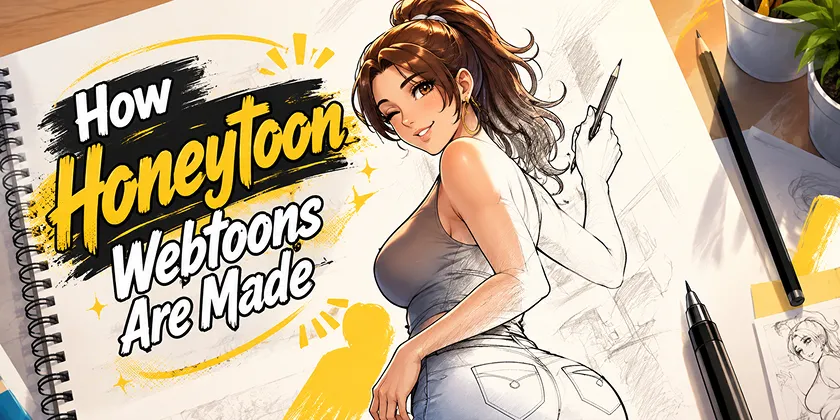
How HoneyToon Webtoons Are Made: From Script to Published Episode

By Alex Corner
 Aug 10, 2026

Hi everyone, it’s Alex here!
Ever wondered what actually happens behind the scenes before a new episode drops on HoneyToon? I’ve always been curious myself, so I dug deep into the process for you.
From a simple idea to a fully polished, steamy chapter you binge at night, there’s a surprising amount of work, talent, and passion involved. Today, I’m pulling back the curtain to show you exactly how webtoon episodes are made step by step.
Let’s dive in!

Every episode you read on HoneyToon started as nothing more than a blank page and a bold idea. Behind the addictive scrolling experience lies a complex webtoon production process — one that involves writers, storyboard artists, illustrators, colorists, and localization editors working together for weeks to bring each chapter to life. This article takes you deep into how webtoons are made on HoneyToon.
From the first story pitch to the final published episode available in multiple languages, we’ll break down the entire HoneyToon production pipeline step by step. Whether it’s a solo creator working from their studio or a full professional team handling different stages, the journey of turning a concept into a finished сomic is both fascinating and incredibly demanding.
In this behind-the-scenes guide, we’ll explore how webtoon episodes are made — from initial script to final release — and show you what really goes into creating the steamy stories you love.
Sign up on Honeytoon to explore hundreds of series, new chapters every week, and exclusive webtoons!
First, What Makes a Webtoon Different to Make?
Creating a webtoon is fundamentally different from making traditional manga or print comics — and these unique constraints heavily shape the entire webtoon creation pipeline.
The most important difference is the vertical scroll comic format. Every panel is designed specifically for top-to-bottom reading on a smartphone. Artists must think about scroll momentum: how the reader’s eye moves, where to place big impact moments, and how to control pacing across long vertical strips. A composition that looks great on a printed page can feel awkward or confusing when scrolled on mobile.
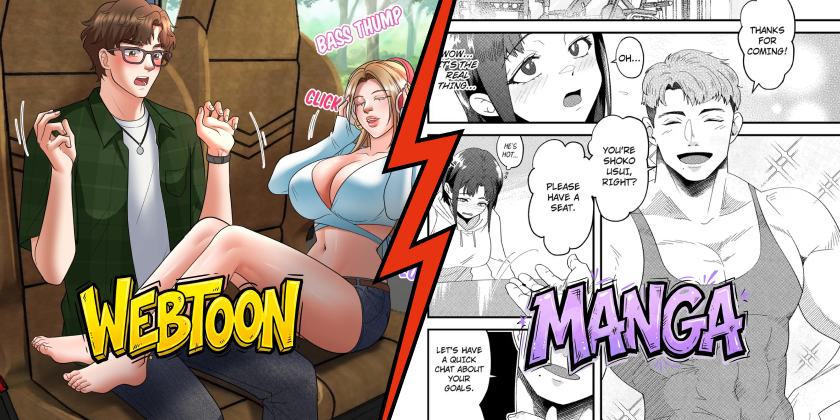
Unlike traditional manga, which is usually black-and-white, Honeytoon webtoons are produced in full color from the very beginning. This adds an extra layer of work and cost with coloring, lighting, and mood creation for every single episode.
Everything is mobile-first. Canvas size, font dimensions, speech bubble placement, and even panel spacing are optimized for phone screens. Before an episode goes live, the team always checks how it feels when actually scrolling on a real device.
Finally, most professional series follow a strict weekly or bi-weekly release schedule. This forces the production team to work in parallel streams so they can deliver consistently without delays.
Step 1 — The Story: Concept, Pitch, and Outline
Every webtoon begins with an idea. For Honeytoon Originals, the concept can come from an independent author pitching their story, a studio presenting a full premise, or the platform’s editorial team actively commissioning specific genres and tropes they know readers want.
Before a single panel is drawn, the writer creates a detailed episode-by-episode outline. This document usually contains one solid paragraph per episode, covering the main plot points, key character moments, emotional beats, and the all-important cliffhanger or hook at the end. This outline serves as the official blueprint for the entire production.
Why is this stage so important? Fixing a weak scene or unclear character motivation at the outline phase is quick and cheap. Fixing the same problem after the art is finished can cost days or even weeks of rework.
Once the outline is approved, the writer moves on to the full script. This includes panel-by-panel descriptions — character positions, expressions, actions, setting details, and all dialogue.
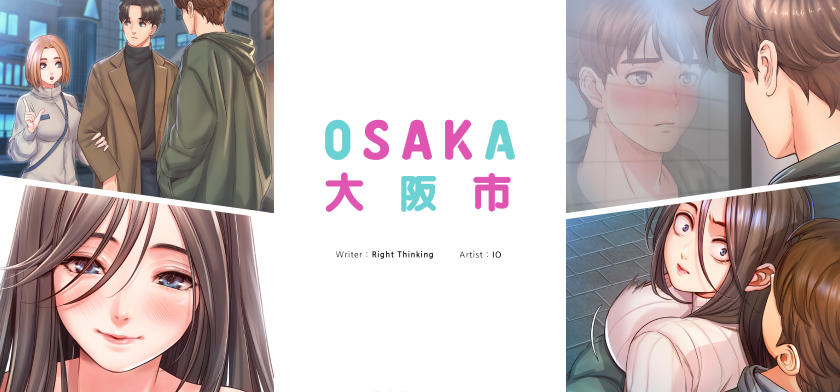
On many top series like Osaka, the roles are clearly divided: a dedicated writer (“Right Thinking”) handles the story and script, while the artist (“IO”) focuses purely on visuals. This separation of webtoon writer vs artist roles allows for higher quality storytelling and art.
Step 2 — Character Design: Building the Visual Bible
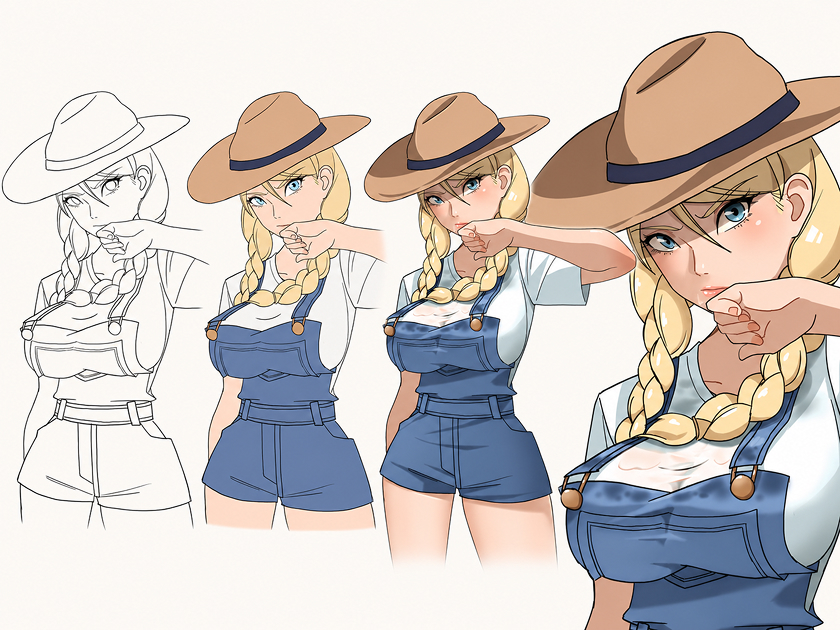
Before storyboarding or full illustration begins, every Honeytoon series creates a detailed Character Design Bible, also known as an Art Bible or Character Sheet.
This document is the visual foundation of the entire series. It defines exact facial proportions, hairstyles, body types, signature clothing, color palettes, and a wide range of expressions (seductive, shy, angry, aroused, surprised, etc.) for every recurring character. Designs are shown from multiple angles — front, side, and three-quarter view — so artists can maintain consistency across hundreds of panels.
Consistency is a serious production constraint in webtoons. Since episodes are released weekly or bi-weekly and may involve different artists over time, even small drifts in how a character looks can break immersion. Readers are very sensitive to these changes.
Background environments also get their own style guides. The sunny ranch in Teach Me First!, the elegant train cabins in Sleepless Train, or the mystical cave in Cave Of Desires all have strict visual rules so they feel like the same location from beginning to end.
On team projects (such as Honeymoon With My Mother-In-Law by Glyceria, Junako, and Mischievous Moon), the Art Bible is what keeps multiple creators producing a visually cohesive series.
Step 3 — Storyboarding: The Visual Blueprint
Once the script is locked, the story moves into storyboarding — the stage where the episode finally becomes visual for the first time. This is often called the “visual blueprint” of a webtoon.
The storyboard artist translates the writer’s script into rough panel sketches, deciding character positioning, camera angles (close-ups for emotion, wide shots for setting, dramatic angles for impact), facial expressions, action flow, and where dialogue bubbles will sit. These sketches are intentionally loose and fast — the focus is on clarity and pacing, not pretty lines.
What makes the webtoon production process unique here is the vertical scroll format. Unlike traditional comics, the artist must design every panel with scroll momentum in mind. They carefully plan how the reader’s eye will move down the screen, where tension should build, and where big reveals or steamy moments should hit hardest.
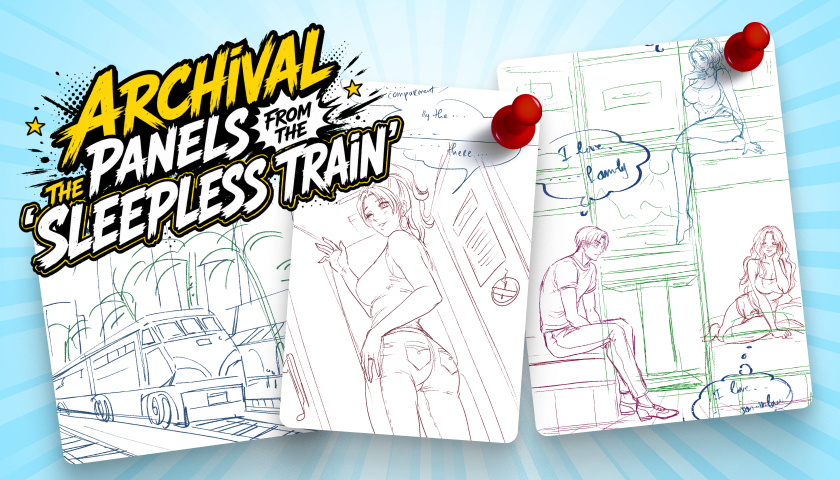
This stage is where most problems are caught early: awkward pacing, unclear actions, redundant scenes, or dialogue that doesn’t match the visual space. Fixing issues now saves weeks of expensive rework later.
How long does it take? A solo creator often combines storyboarding with other stages and spends around 2 weeks total per episode. In a professional studio with a dedicated storyboard artist, this phase can be completed in just 3–5 days.
Step 4 — Line Art: From Rough to Clean
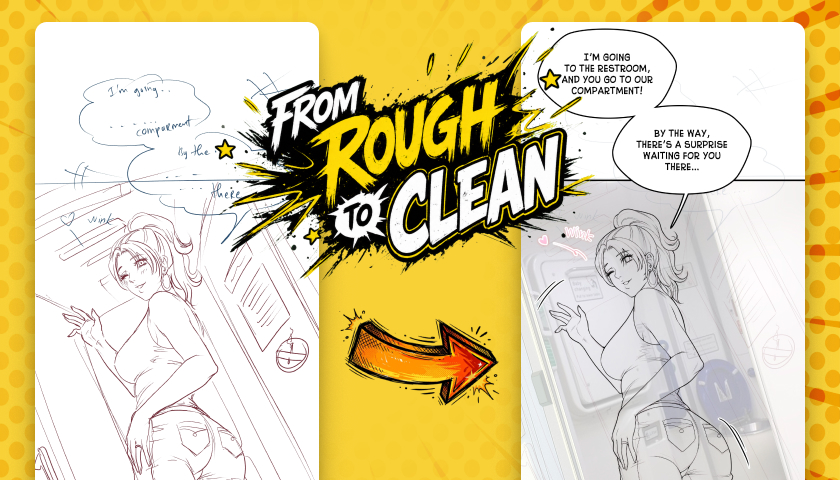
Once the storyboard is approved by the writer and editor, the illustrator begins the line art stage — turning rough sketches into clean, professional drawings.
The process usually starts with a refined sketch layer, where the artist double-checks proportions, character consistency with the Art Bible, and overall composition. Only after this cleanup do they move to the final inking.
During inking, the artist applies clean digital lines with careful variation in line weight: thicker, bolder lines for main characters and foreground elements, and thinner lines for background details and textures. This technique creates visual depth and makes the art look sharp and dynamic when scrolled on a phone.
Backgrounds are typically drawn separately from characters, often by a dedicated background artist or using pre-made asset libraries for recurring locations. This allows the team to work in parallel and keep the production schedule tight.
The most popular tool for this stage is Clip Studio Paint, which is specifically built for digital comics and webtoons, offering custom brushes, panel tools, and vertical canvas presets.
Step 5 — Color: Where Episodes Come to Life
This is the most labor-intensive visual stage in the webtoon production process — and the one that truly defines the distinctive look of modern manhwa production compared to traditional manga.
The coloring process starts with base coloring: flat colors are applied to every character, piece of clothing, hair, background, and prop. Strict color palettes from the Art Bible are followed religiously to keep characters consistent across all episodes.
Next comes shading and lighting. Artists build depth with multiple shadow and highlight layers. Lighting direction is carefully planned per scene — warm golden sunlight on a ranch feels completely different from the cool, intimate lighting inside a train cabin or the mysterious glow of an underground cave.
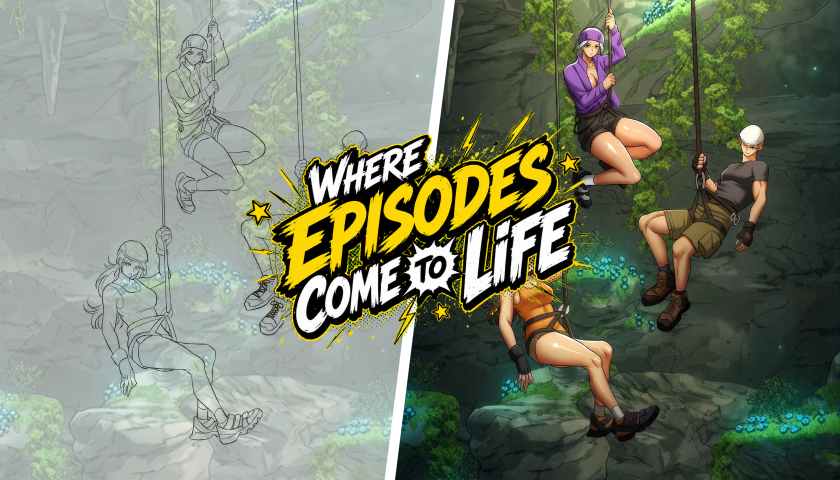
The final pass adds specular highlights, atmospheric effects, glows, motion blur, and other visual flourishes that amplify emotion and impact. Top colorists use color shifts as storytelling tools: warm, rich tones for passionate moments and cooler, desaturated palettes for tension or drama.
On many high-profile Honeytoon titles (such as Osaka and Stepsister), studios like KIDARISTUDIO specialize in coloring and finishing. This professional division of labor allows illustrators to focus on line art while ensuring every episode meets the platform’s high visual standards.
Step 6 — Lettering: The Invisible Craft
Lettering is often called the “invisible craft” of webtoon production — when it’s done well, readers don’t even notice it, but it dramatically affects the entire reading experience.
In this stage, the letterer takes the finished colored pages and places all speech bubbles according to the storyboard plan. They fine-tune position, size, and shape to ensure perfect visual balance and readability on mobile screens. The industry standard for dialogue font size is roughly 12–30 pixels (depending on canvas resolution). Too small and it becomes unreadable while scrolling; too large and it crowds the artwork.
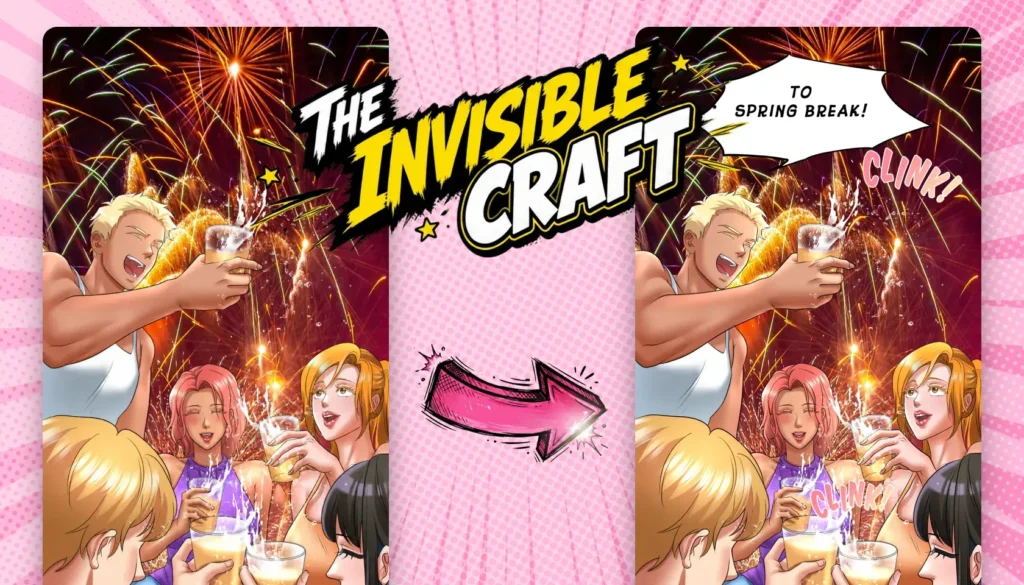
A good letterer also controls pacing through text: short, punchy lines accelerate the flow, while longer dialogue slows the reader down for emotional weight. Bubble styles are customized to match character energy — soft and delicate for whispers, bold and heavy for shouts or intense moments.
Onomatopoeia and sound effects are hand-drawn to blend naturally with the art rather than looking like generic text slapped on top.
This stage also covers episode title cards, chapter indicators, and final platform formatting.
Step 7 — Editorial Review: The Platform’s Role
Before any episode goes live on Honeytoon, it must pass through the platform’s editorial review — the final quality gate.
The editorial team evaluates the episode on three main levels:
- Story & Pacing: Does it deliver on its emotional promise? Is the tension built effectively? Does the ending create enough momentum to pull readers into the next chapter?
- Art & Technical Quality: Are characters consistent with the Art Bible? Are there any visual errors, color inconsistencies, misaligned panels, or awkward speech bubble placements?
- Content Compliance: Honeytoon has strict internal standards. Both the regular version and the uncensored version are reviewed separately to ensure they meet guidelines while delivering the expected heat.
Revision cycles depend on the team. Established creators with a familiar editor often need only 1–2 rounds of notes. New series or first-time collaborations can go through several revisions, especially in the early episodes, while the editorial team and creators align on tone and quality.
This stage is what keeps Honeytoon’s overall production standard consistently high.
Step 8 — Localization: Six Languages, One Episode
One of the most intensive and impressive parts of how webtoons are made on Honeytoon is the localization stage. While many independent creators work in just one language, Honeytoon releases every episode in six languages simultaneously: English, French, Spanish, Portuguese, Italian, and German.
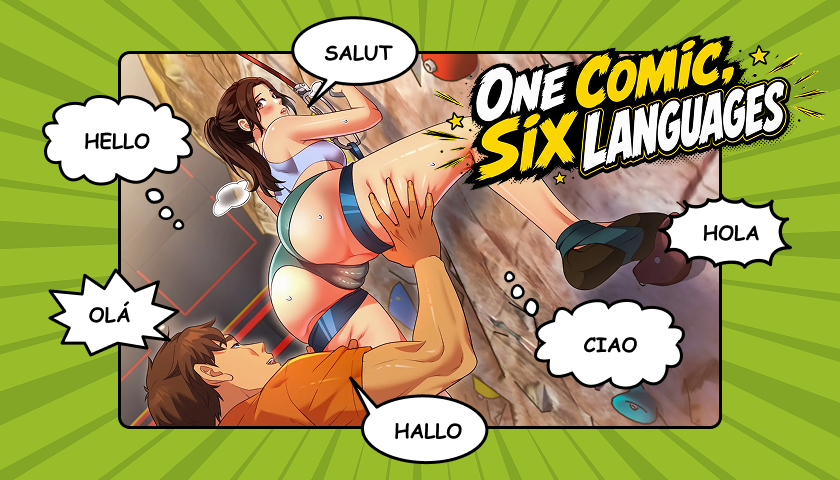
This means a single episode essentially goes through the final text stage six separate times as part of the Honeytoon production process.
The localization pipeline includes:
- Professional translation — translators don’t just convert words literally; they adapt tone, seduction level, humor, and emotional weight so the dialogue feels natural in each language.
- Text re-fit — translated lines are rarely the same length as the original. Speech bubbles often need to be resized or repositioned to maintain a clean composition.
- Typography adjustments — each language has different rules for punctuation, quotation marks, and reading flow.
- Final quality review for every language version.
This step is what separates a professional platform like Honeytoon from most independent creators. The artwork stays the same, but the text is rebuilt from scratch six times — all while keeping the original schedule.
Step 9 — Publishing: From Upload to Reader
The final stage of the Honeytoon production process is publishing.
Once an episode is fully approved, reviewed, and localized into all six languages, the team uploads both the standard version and the separate uncensored version to the platform. These are set with different unlock triggers so paying readers can access the explicit content.
Most series follow a strict schedule (usually weekly or bi-weekly). To stay on track, professional teams typically work 2–3 episodes ahead as a safety buffer.
At the launch of a new series, Honeytoon usually releases the Prologue + Episodes 1–5 at the same time. This gives readers enough content to get properly hooked before needing to spend coins.
After publishing, the real-time data begins flowing in — reader ratings, completion rates, and engagement metrics — which help the editorial team make decisions about future episodes and series direction.

Who Makes a Honeytoon Episode? The Team Behind the Credits
Honeytoon operates on two different production models, which directly answers the common question of how many people make a webtoon.
1. Solo Creator Model
Some of the platform’s biggest hits are made almost entirely by one talented person. Creators like Heraldic Lilly and Pantsumania handle everything themselves — from writing to final lettering. This model highlights the clear webtoon writer vs artist roles (or in this case, one person doing both).
2. Studio / Team Model
Many top series use a collaborative pipeline with multiple specialists. For example, Osaka credits Right Thinking (writer) + IO (illustrator) + KIDARISTUDIO (production studio).
Typical Roles Include:
| Role | What include |
|---|---|
| Writer | Concept, outline, full script & dialogue |
| Storyboard Artist | Visual planning and panel flow |
| Illustrator / Line Artist | Clean character and scene art |
| Background Artist | Environments and prop art |
| Colorist | Base color, shading, lighting & effects |
| Letterer | Speech bubbles, typography & sound effects |
| Editor (Honeytoon side) | Quality control and compliance |
So while some episodes are created by just one person, others are the result of a coordinated team of 6–10 specialists.
If you’re interested in how to become a Honeytoon webtoon creator, understanding these two models is the perfect starting point.
How Long Does It Take to Make One Episode?
Here’s a realistic answer to the question of how long it takes to make a webtoon episode on Honeytoon:
| Scenario | Time per episode |
|---|---|
| Scenario Time per episode Solo creator (all roles) | ~2 weeks |
| Full studio team (5+ specialists) | 2 weeks |
Most professional Honeytoon series follow a bi-weekly release schedule because that’s what the actual production time allows. Even with a team, creating high-quality full-color art, consistent characters, and polished localization takes serious effort.
To stay safe, most series keep a buffer of 2–4 completed episodes before they start publishing. This prevents delays if something goes wrong during production.
For example, Teach Me First! maintained a steady bi-weekly pace and successfully delivered all 20 episodes on schedule, over 6 months of work.
HT Originals (Honeytoon Originals) are series that Honeytoon actively commissions and fully publishes as its own exclusive content. This is what separates them from regular series uploaded to the platform.
Key differences in the production process:
- Deeper Editorial Control — Honeytoon editors get involved from the very first outline and concept stage, helping shape the story, pacing, and tone throughout development.
- Exclusive Content — The series belongs exclusively to Honeytoon and cannot be published on any other platform.
- Production Support — Honeytoon connects creators with professional studios and specialists (like KIDARISTUDIO) when needed, making high-quality output more achievable.
- Full Localization Handled In-House — Honeytoon manages the entire translation process into six languages (English, Spanish, French, Portuguese, Italian, German).
- Official Badge — You can instantly recognize them by the “HT Original” label on the series page.
In short, an HT Original means Honeytoon is not just hosting the series — they are actively investing in and shaping it from day one.

And that’s how Honeytoon webtoons are made — from a blank page to the addictive episode you binge at night.
It takes real passion, talent, and a lot of hard work from writers, artists, and the whole team to create these stories. Whether it’s a solo creator or a full studio, every chapter is a labor of love.
Next time you scroll, you’ll probably appreciate the art even more.
Thanks for reading!
— Alex